Fall asleep in one city, wake up in another — no airport, no hotel night to pay for. Night trains are having a real comeback across Europe in 2026. Here's how they work, which routes are worth it, what a cabin actually costs, and how to book one without surprises.
Why night trains are back
A decade ago most of Europe's overnight network had shut down. Low-cost flights made daytime travel cheap, and sleeper trains looked like a relic. That's reversed: rising climate awareness, new operators like European Sleeper, and an aggressive expansion by Austria's ÖBB Nightjet have brought dozens of overnight routes back to the map, with more being added most years.
The main operators
- ÖBB Nightjet — the backbone of the network, connecting Austria, Germany, Switzerland, Italy and beyond with modern double-decker sleeper carriages.
- European Sleeper — a newer, smaller operator running Brussels–Berlin–Prague style routes, founded specifically to revive lines the big railways had dropped.
- Trenhotel (Renfe) — Spain's overnight network, including routes down to Lisbon.
- SJ / national operators — several Nordic and Eastern European railways run their own domestic and cross-border sleepers alongside the bigger international names.
Cabin classes, explained
Not all night-train tickets are equal — this is the single biggest factor in how comfortable (and expensive) your trip is:
- Seat (reclining): the cheapest option, basically an overnight bus on rails. Fine for a short hop, rough for a full night.
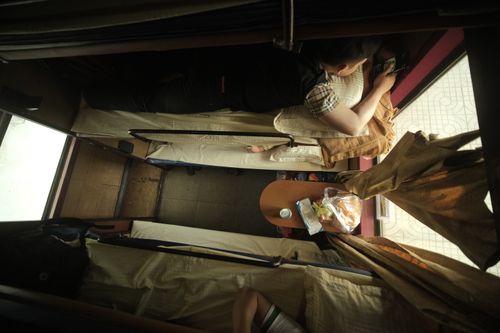
- Couchette (shared): a bunk in a shared compartment of 4–6 people, bedding included. The classic budget sleeper experience.
- Sleeper compartment (private): 1–3 beds in a locked private cabin, often with a sink. The sweet spot for comfort and price.
- Deluxe / mini-suite: private bathroom, sometimes breakfast included. Closest thing to a hotel room on rails.
How much does it cost?
Prices vary enormously by route, season and how early you book. As a rough 2026 guide:
- Reclining seat: often €30–€50.
- Shared couchette: typically €50–€90.
- Private sleeper cabin: roughly €100–€200 per person, more on popular summer routes booked late.
Because you skip a hotel night and reach your destination ready to start the day, the real comparison isn't just train vs. plane — it's train vs. flight + airport transfers + a hotel room. Run that math and night trains often win.
Booking tips
- Book 4–8 weeks ahead for popular summer routes — sleeper cabins sell out long before the seats do.
- Pick your cabin class deliberately. A reclining seat is a different trip from a private sleeper — don't assume "night train" means a bed.
- Bring your own snacks and water. On-board catering varies a lot between operators and isn't always reliable.
- Check the exact day of the week. Unlike daytime high-speed lines, most night trains run only on specific days, not daily.
Some of the day routes we cover sit along corridors with overnight options too. Compare the live timetable for your dates — sometimes the night train is the better call, sometimes the fast daytime connection wins.
Frequently asked questions
Your train. Your world.
Live schedules across day and night services in Europe — coming soon.
Plan with AI →